Deep-Dive Guide

Landscape Lighting

How low-voltage landscape lighting really works — the design principles that make it look intentional, the fixtures that survive our winters, and what separates a $2,000 kit from a professional install that lasts a decade.

Quick facts
System voltage
12V low-voltage (safe, buriable)
Fixture life
Brass fixtures: 20+ years typical
Lamp life
LED 25,000+ hrs
Control
Astronomical timer, app, or smart transformer
Design
On-site walk, dusk mockup when possible
Warranty
Fixture manufacturer + our labor warranty
Overview

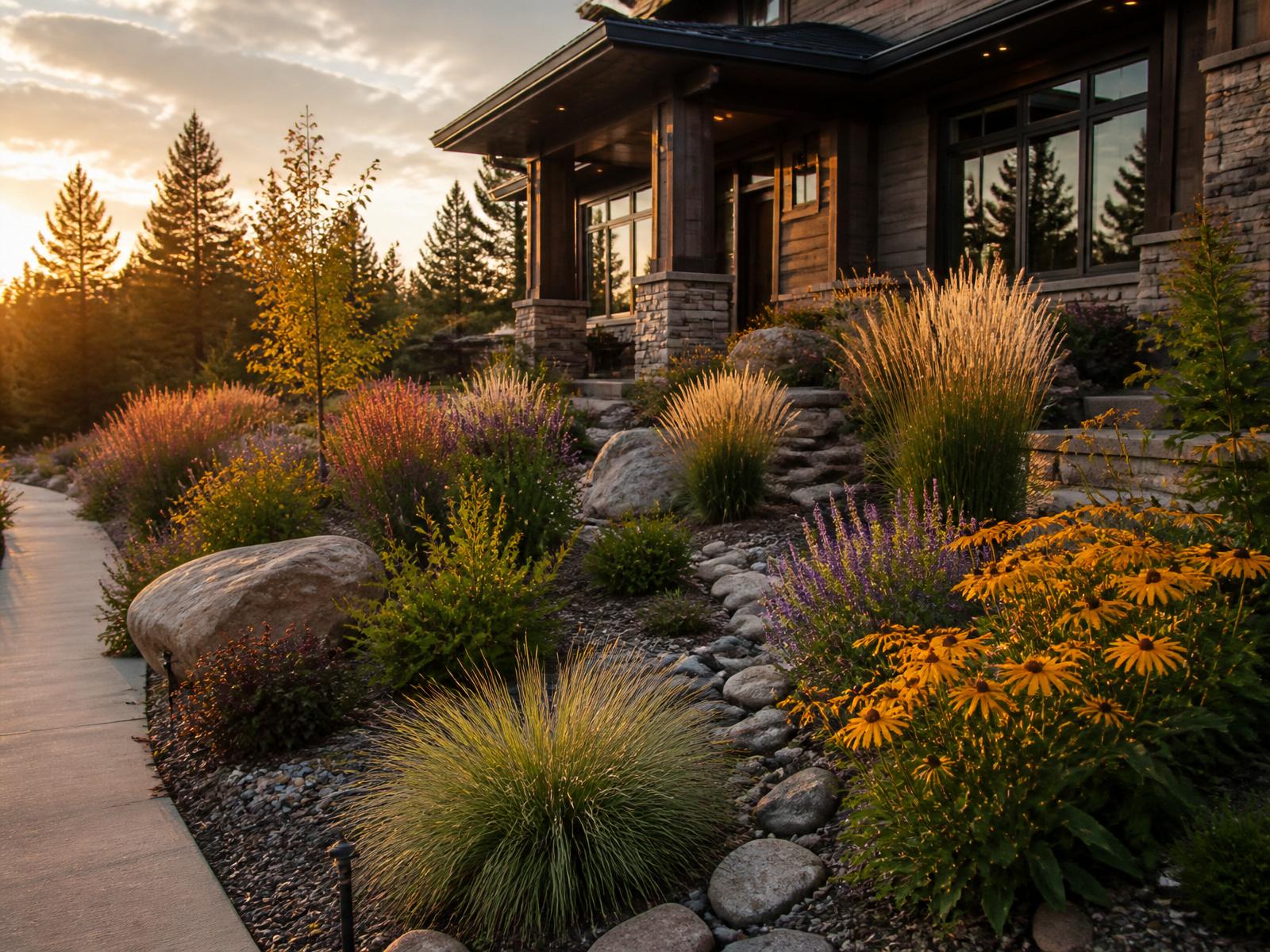
Landscape lighting is the part of your exterior lighting that doesn't touch the house. It's the path lights, uplights, tree lights, wall washes, and hardscape lights that turn your yard into an environment after sunset instead of a black void beyond the front step.

Done right, it's invisible in a specific way: you see the effect (a warm facade, a lit tree, a defined walk) but not the fixtures themselves. Done wrong, it's a runway of glowing mushrooms staring at the street.

This guide covers the design vocabulary, the technical choices (12V vs. 120V, brass vs. cast, halogen vs. LED), and what a real professional install includes.

What it is

The basics, plainly.

Modern landscape lighting is a low-voltage (12V) system. A transformer steps 120V house power down to 12V, then buried cable runs out to weather-rated fixtures. 12V is safe to bury shallow, safe around water features, and doesn't require licensed conduit work.

Fixtures come in categories by job: uplights (aimed up at facades and trees), downlights (moonlighting from a tree), path lights (defining walkways), wash lights (broad soft light on plantings), well lights (buried, aimed up), step lights, and hardscape/deck lights.

The lamps are almost always LED now. LEDs draw a fraction of the power, last 10x longer, and let one small transformer run a much bigger system than the old halogen days.

How it works

Under the hood.

Design first, install second

Good landscape lighting starts with a night walk of the property. Where does the eye want to land? What are you hiding vs. featuring? A layout drawn from a Google Maps view will always look like a layout drawn from a Google Maps view.
Layering: uplights, path, and wash

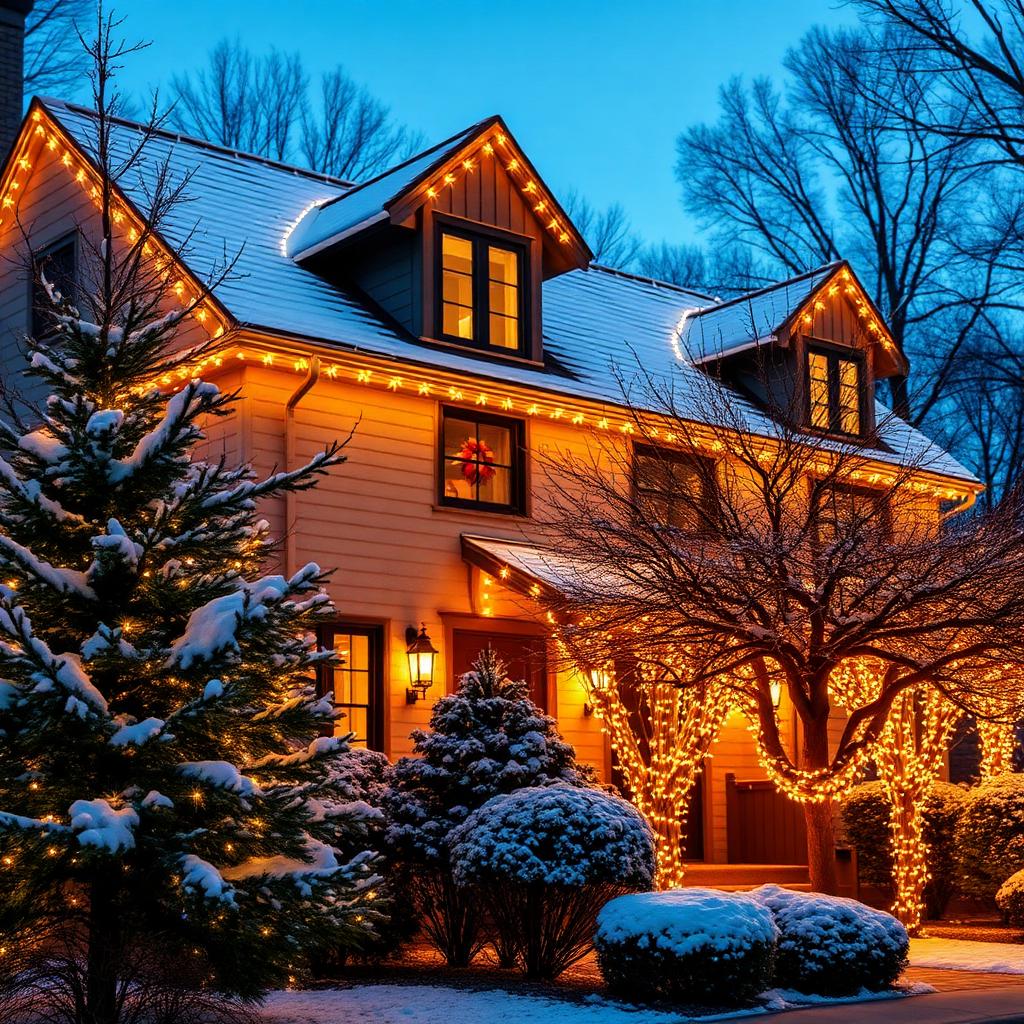
Great installs use at least three layers: uplights on architecture, path lighting for safety and rhythm, and soft washes on plantings. A yard with only path lights feels like an airport.

Fixture quality is everything

Cast brass and copper fixtures develop a patina and last decades. Plastic and aluminum kit-store fixtures crack in the first freeze cycle and fade in two seasons. The fixture is where your budget matters most — LEDs and wire are commodity.

Wire routing and load

12V drops voltage over distance. A serious install calculates wire runs, splits circuits, and sizes the transformer so the fixture at the end of the run is as bright as the one closest to the transformer. Cheap installs skip this and you get a dim tail.

Smart control

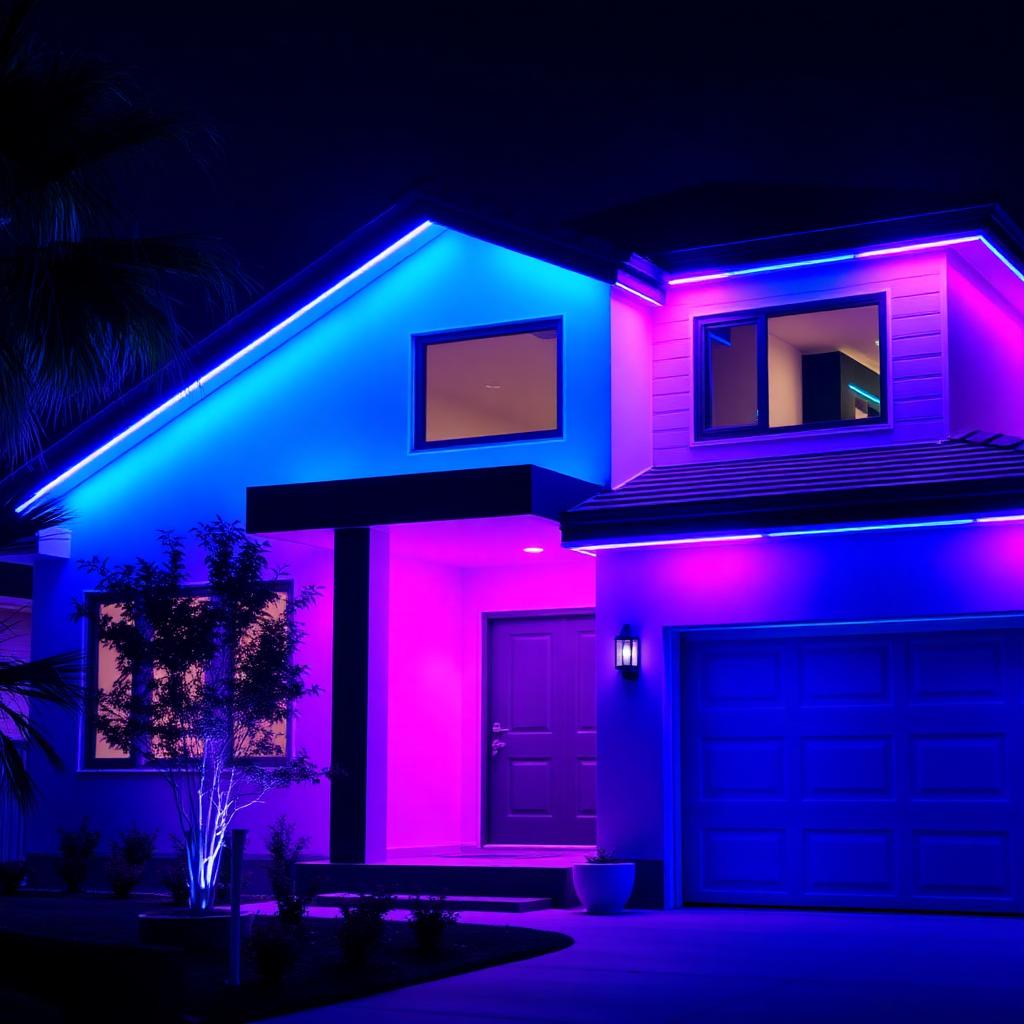
A smart transformer runs the system on astronomical time (real sunset/sunrise for your GPS location), holds schedules, and can be paired with your permanent LED controller so everything outside lives on one app.

Options

What we install.

Path lights

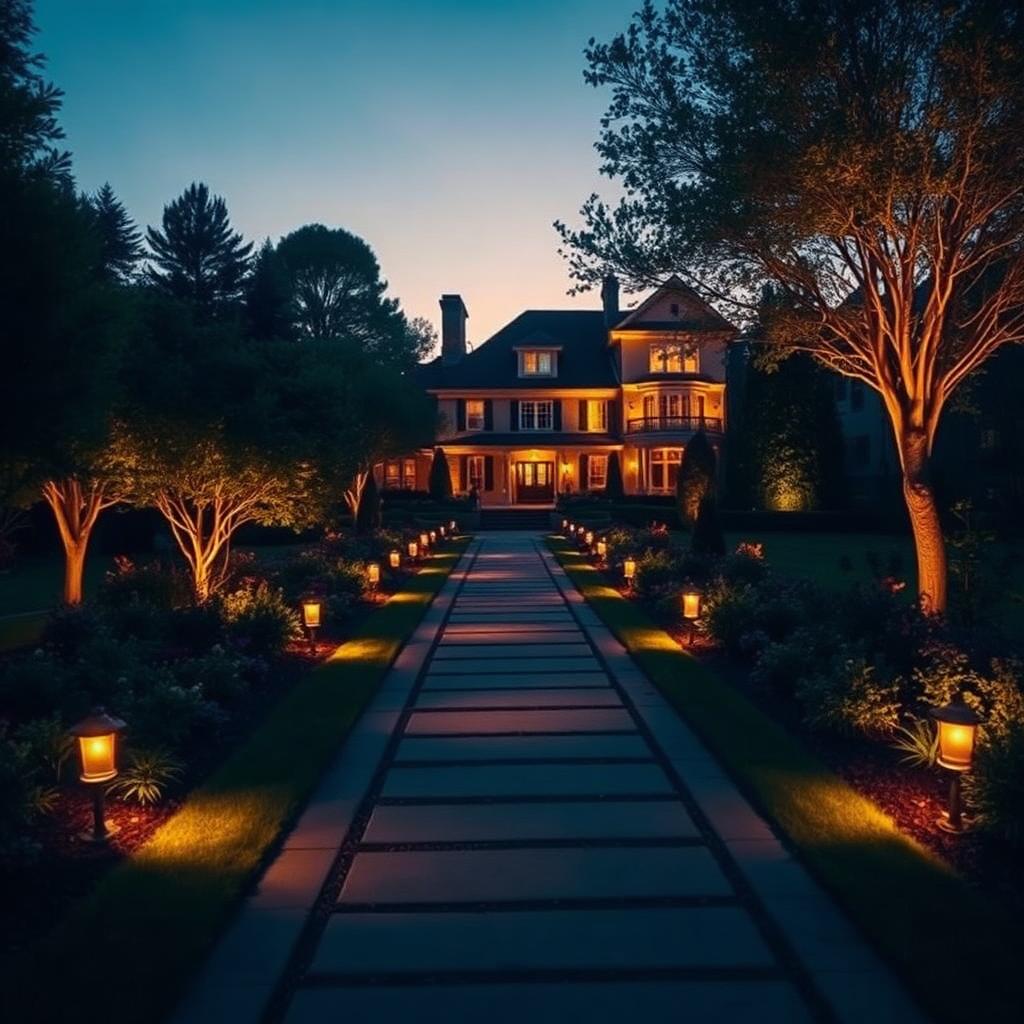
Define walkways and driveways. Should be spaced for rhythm, not maximum coverage — a good path is lit by the pool of light on the ground, not by staring at fixtures.

Uplights & wash

The single highest-impact category. Warm uplights on your facade transform how the house reads at night. Wash lights make plantings glow instead of disappearing.

Specimen tree lighting

Uplights placed at the base of a significant tree, aimed into the canopy. Larger properties often add moonlighting — a downlight hidden 20+ ft up in the tree, casting dappled shadows on the lawn below.

Hardscape & step lights

Recessed lights inside retaining walls, cap lights on pillars, low-profile step lights on stairs. Function first (safety) but done right they double as architectural accent.

Process

What working with us looks like.

  1. 01 · Design walk

    We walk the property with you at dusk when possible. Identify features to light, features to hide, and how you actually use the yard at night.

  2. 02 · Fixture plan + quote

    You get a fixture-by-fixture plan with counts, categories, and a fixed price — not a bulk estimate.

  3. 03 · Install

    Wire is pulled below mower depth. Fixtures are set. Transformer is mounted at the house. We aim every fixture at night before we leave.

  4. 04 · Night aim + tuning

    The install isn't done until we've walked the property after dark with you and adjusted anything that isn't sitting right. That's the whole job.

  5. 05 · Service & seasonal tune

    Plants grow. Fixtures need re-aiming as the yard matures. We come back — you're not on your own.

Compared

Pro install vs. big-box landscape kit

This service
The alternative
  • Brass/cast fixtures, 20-yr life
    Plastic fixtures, 2–3 seasons
  • Sized transformer, even brightness
    Voltage drop, dim tail on the last fixtures
  • Buried, mower-safe wire
    Surface-run wire, cut by first weed-whacker
  • Aimed at night by installer
    Aim-and-forget from the driveway in daylight
  • Fixture-by-fixture design
    One box, evenly spaced, no plan
  • Serviceable + expandable
    Sealed kit, replace whole thing at failure
Warranty & support
  • Brass and copper fixtures carry manufacturer warranties measured in years, not months.
  • LEDs are rated 25,000+ hours (10+ years of nightly use).
  • Our labor is warrantied on the install itself — wire connections, fixture placement, transformer setup.
  • Service calls in year one for anything not behaving as designed are on us.
FAQ

Frequently asked.

Does it need a permit?+

12V low-voltage installs generally don't require a permit or licensed electrician. The transformer just plugs into an exterior outlet.

Will it kill my grass or beds?+

No. Wire is pulled with a bed edger under sod, or laid in mulch beds. Most installs show almost no trace within a week.

Can I add to it later?+

Yes — that's the point of a properly sized transformer. Adding a new zone or fixture is usually a same-day service call.

What about power outages?+

The system just picks back up on its next schedule. Smart transformers hold their schedule through outages.

Bulbs vs. integrated LEDs?+

We prefer fixtures with replaceable LED modules over sealed integrated units — 15 years from now you replace the lamp, not the fixture.

Ready to talk about your project?

Tell us about your property. We'll follow up within one business day.